
The appointment of trustees in place of elected Kurdish mayors in Turkey highlights the government’s ongoing hostility towards the Kurdish population. Despite discussions aimed at resolving the Kurdish issue through democratic means, the Turkish state continues to employ heavy-handed tactics, including military strikes on civilian infrastructure in Northeast Syria and Iraq, while simultaneously undermining Kurdish political representation domestically. Recent actions, such as the arrest of Esenyurt Mayor Ahmet Özer and the removal of mayors from Mardin and Batman, exemplify a broader strategy to consolidate power and suppress dissent by criminalizing Kurdish institutions and leaders under the pretext of combating terrorism. This pattern of governance raises serious concerns about the erosion of democratic principles and human rights in Turkey.
Tag: kurdish
Turkey Report – The repression against the Kurdish people

The repression against the Kurdish people
1-INTRODUCTION
1. The report analysis the implementation of the recommendations
adopted at the third Periodic Review of Türkiye (May 2010). The
conclusion is that Türkiye has not implemented the
recommendations it accepted.
Read More “Turkey Report – The repression against the Kurdish people” »
Report on freedom of expression – Turkey
Since the 1990s, there has been continuous pressure on Kurdish media and press in Turkey. Regardless of changes in governments, the free expression of Kurds has been deemed a crime. Anti-terror laws, particularly Articles 7 and 8, have been included to restrict free expression. The AKP-MHP administration, especially after the July 15, 2016 coup attempt, used anti-terror laws as a shield against criticisms of the government and its institutions. The laws were employed as tools to silence all opposing segments under the guise of “combating terrorism.” United Nations Special Rapporteur on Freedom of Expression David Kaye visited Turkey between November 16-18, 2016.
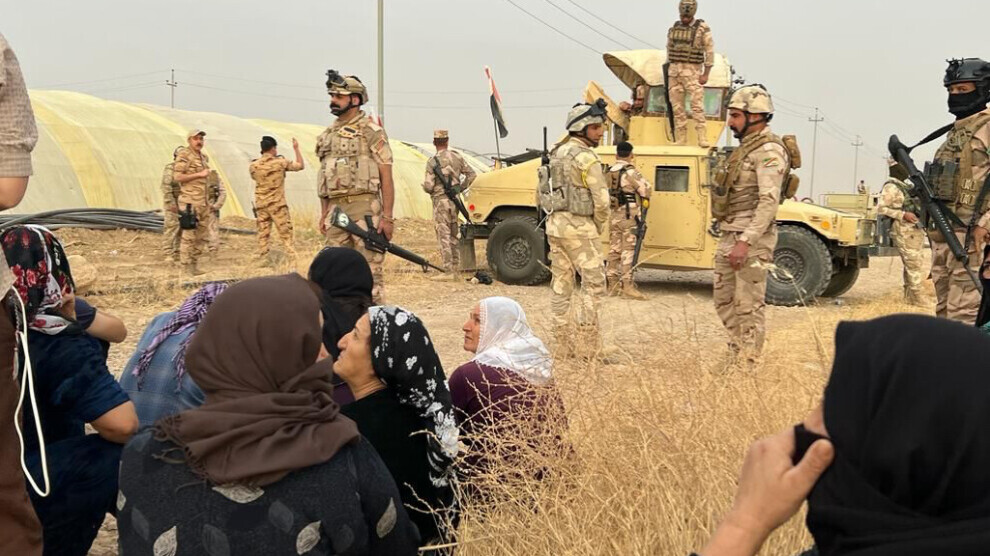
Kurdish people at risk in Iraq
Introduction
A federal system was established to minimize sectarian and ethnic conflict risks and to foster cohabitation aligned with Iraq’s cosmopolitan structure. Power institutions were constitutionally shared among ethnicities and sects, including Kurds, Arabs, and Shiites, formalized through a public referendum.
TÜRKIYE : Lawyers at risk – 20 June 2024

MRAP Is a French organisation born of underground resistance to Nazism and fascism, it was officially founded in 1949 on the initiative of former members of the Resistance and deportees. …
Report of of the human rights situation in South-East Türkiye
Written statement* submitted by Mouvement contre le racisme et pour l’amitié entre les peuples, a non-governmental organization on the roster The Secretary-General has received the following written statement which is…
Read More “Report of of the human rights situation in South-East Türkiye” »
Who is Abdullah Öcalan?
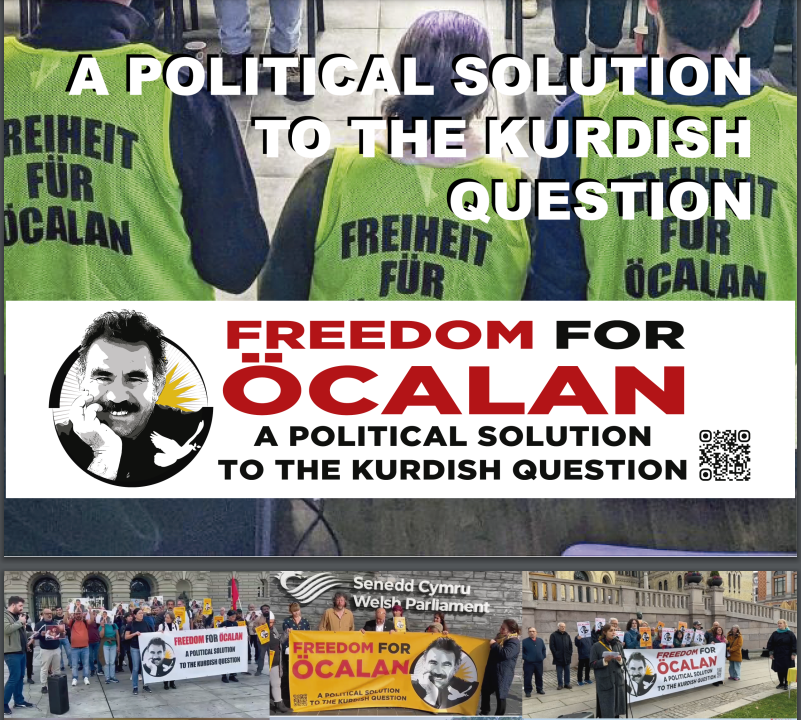
Abdullah Öcalan is a Kurdish political leader seen by millions of Kurds globally as their poli tical representative. In February 1999, he was abducted in an international intelligence operation and…
Regarding Turkish State’s and Iraq’s attacks to Maxmur Refugee Camp
Maxmur camp has been targeted by the Iraqi state after the Kurdistan Democratic Party (KDP), as a result of the impositions of the Turkish state. The Iraqi state wants to…
Read More “Regarding Turkish State’s and Iraq’s attacks to Maxmur Refugee Camp” »