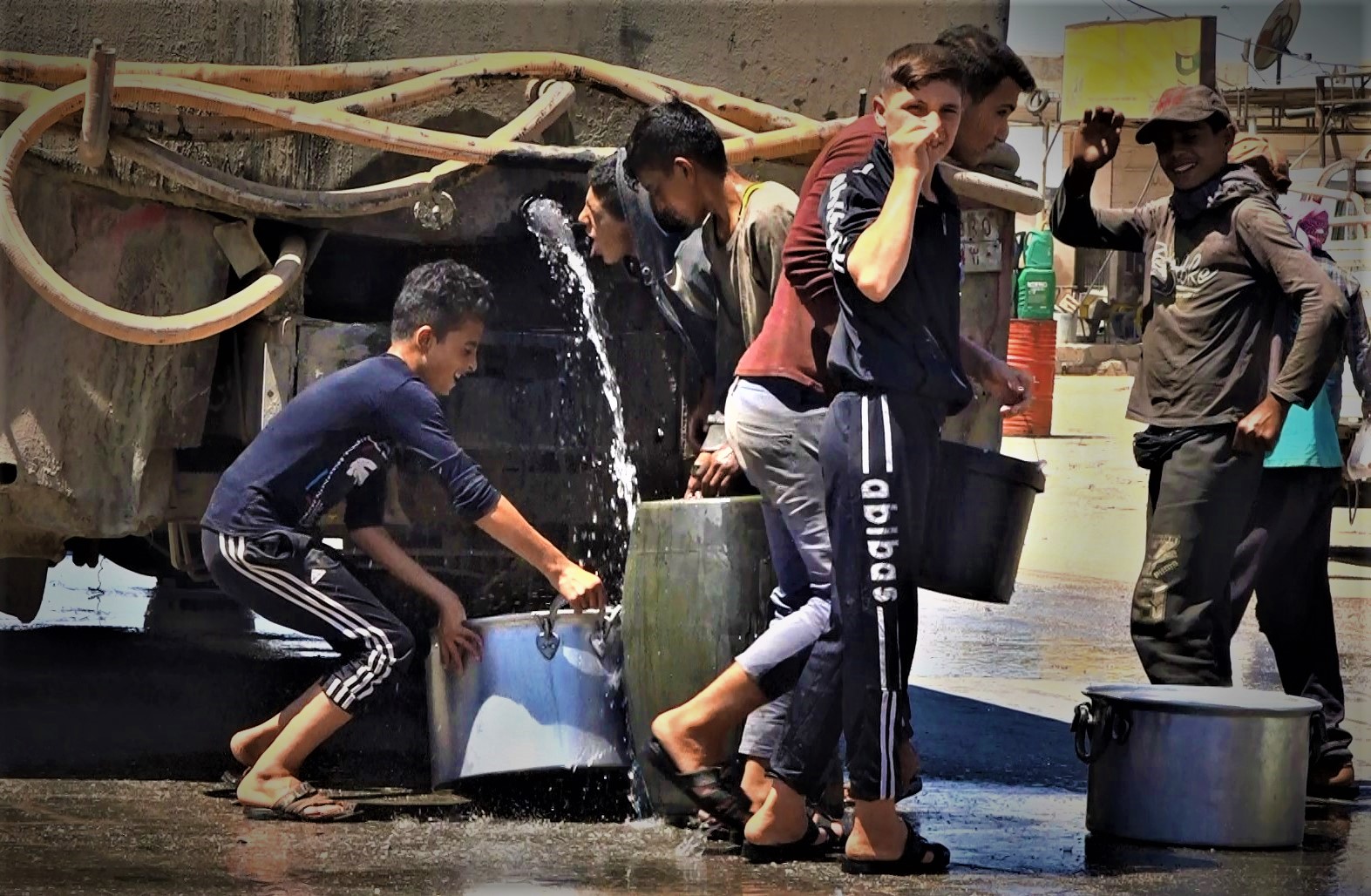
Water and electricity have been cut off in Kobane. Internet access was also severed shortly after this
information was last shared. Local sources report that extremist forces are closing in on the city
centre, in what appears to be a targeted campaign of retaliation against a city that achieved a historic
victory over ISIS in 2014.
With essential services deliberately shut down, a humanitarian crisis is rapidly unfolding. Civilians
—among them children and the elderly—are trapped in darkness, deprived of basic necessities.
Water, food, and fuel are running out.
The four-day ceasefire declared by the al Sharaa’s Transitional Government is not holding, and the
city is facing renewed attacks. Meanwhile, Turkish military deployments are amassing at the
Turkish border with tanks, soldiers, and heavy weaponry.
The sense of vengeance directed at Kobane is unmistakable. The forces encircling the city seek to
erase both the symbolic and strategic significance of the Kurdish-led defeat of global terrorism.
For Kurds—and for the world—Kobane is a symbol of hope and resistance. By cutting off lifesustaining
infrastructure, the forces of the Syrian Transitional Government, acting in coordination
with Turkey and backed by jihadist militias, are weaponising basic human needs against a
population that once stood on the world’s front line of defence.